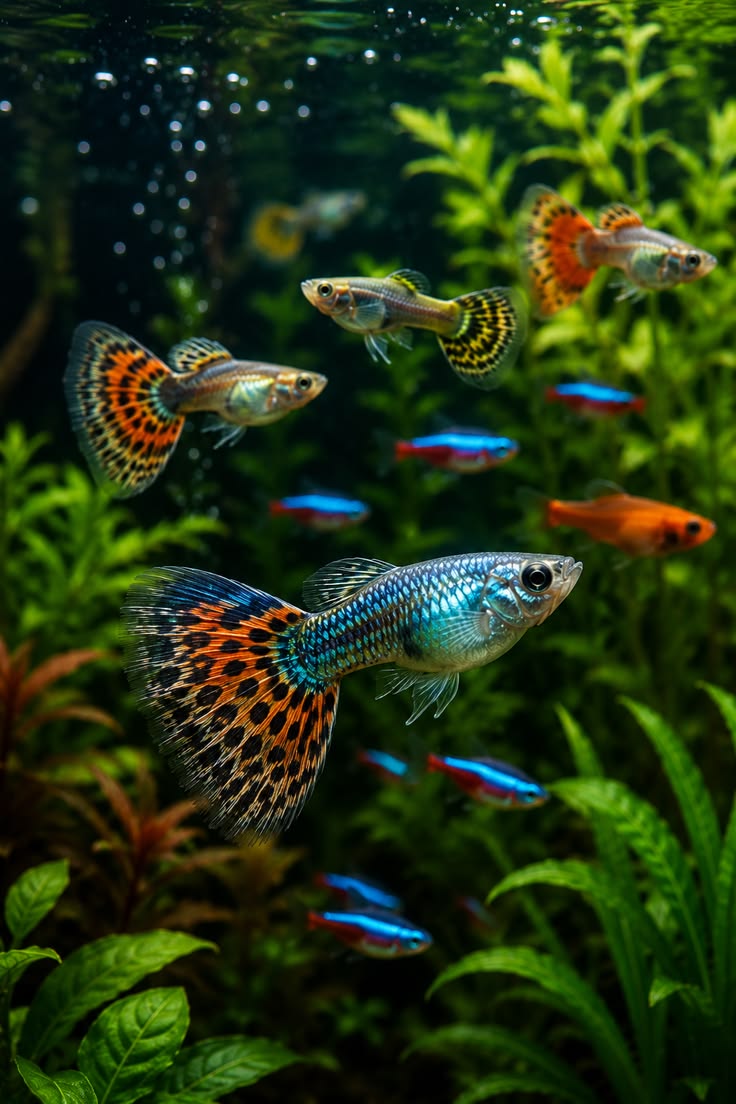
Discover the essentials of aquarium care through practical guides that help you create a healthy, balanced and beautiful underwater environment.
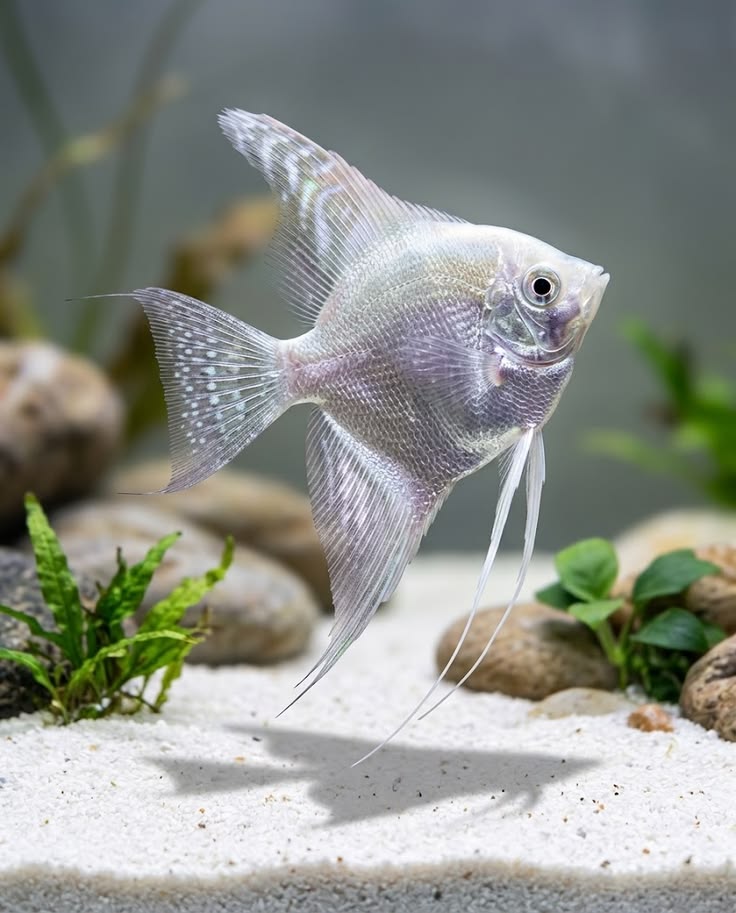
Understand fish behaviour, natural habitats, swimming patterns and essential everyday care for a healthy aquatic life.
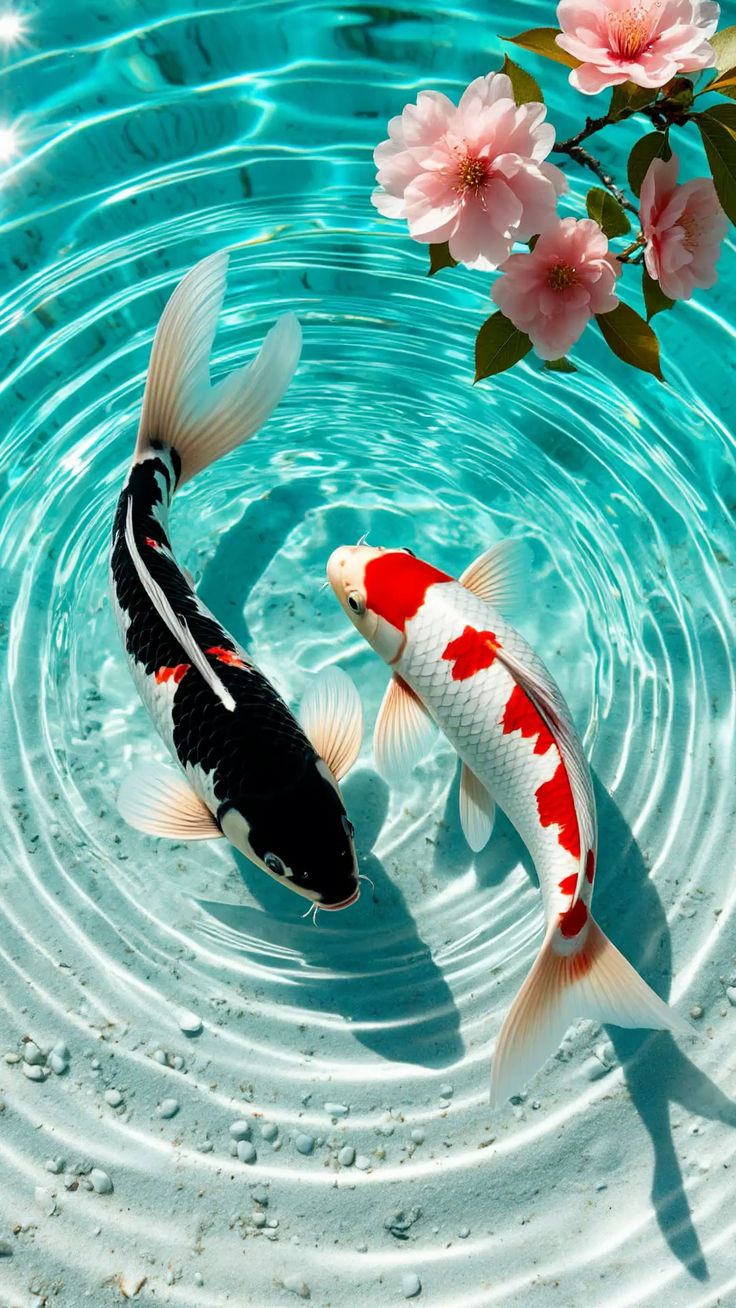
Explore suitable food choices, balanced diets, feeding portions and healthy feeding habits for different fish species.
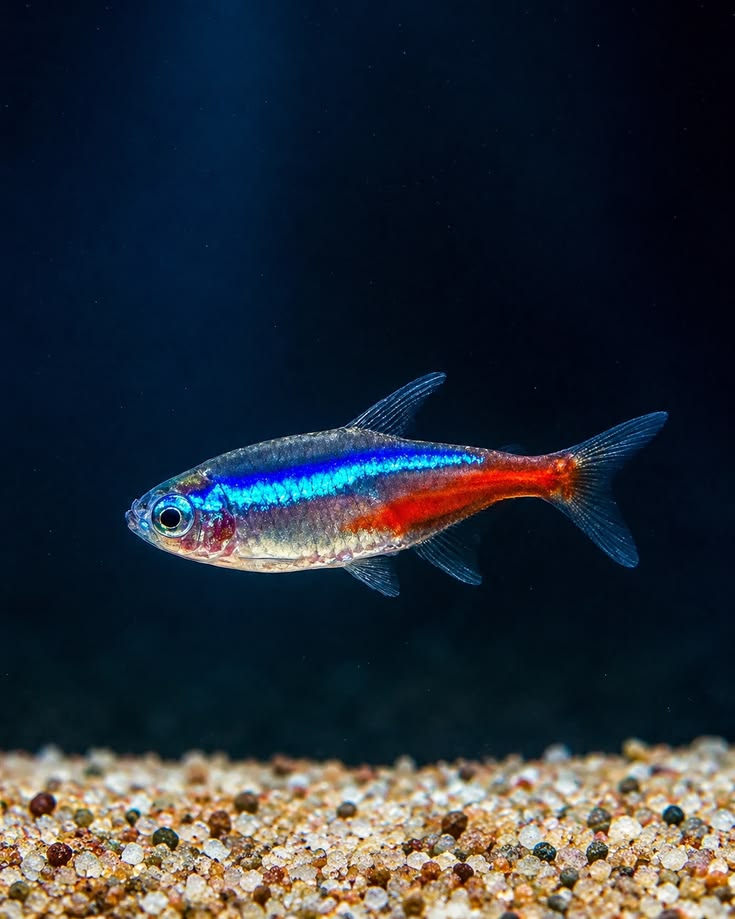
Learn how to maintain clean aquarium water, care for essential equipment and establish a consistent cleaning routine.
Understand fish temperament, suitable tankmates and peaceful community combinations.
Recognise unusual behaviour and understand common fish health concerns and prevention.
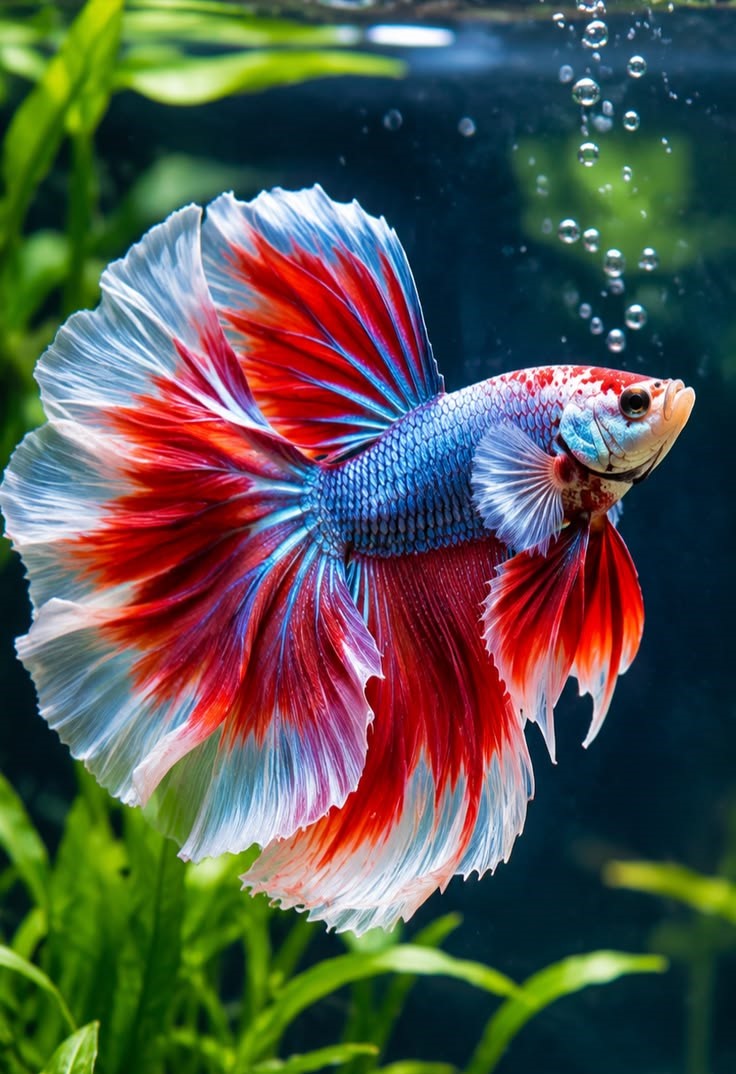
Special Care
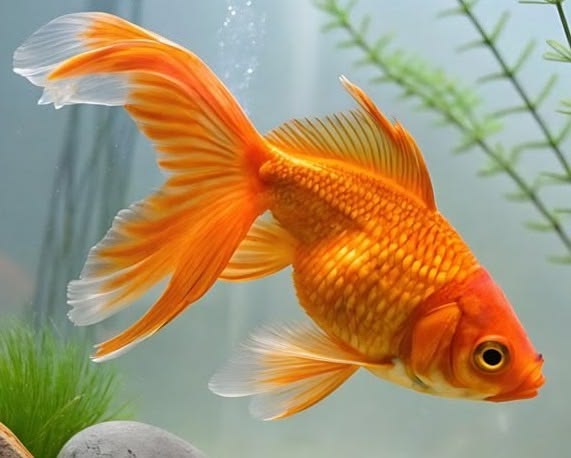
Colourful freshwater fish known for their beautiful and flowing fins.
Beginner Guide
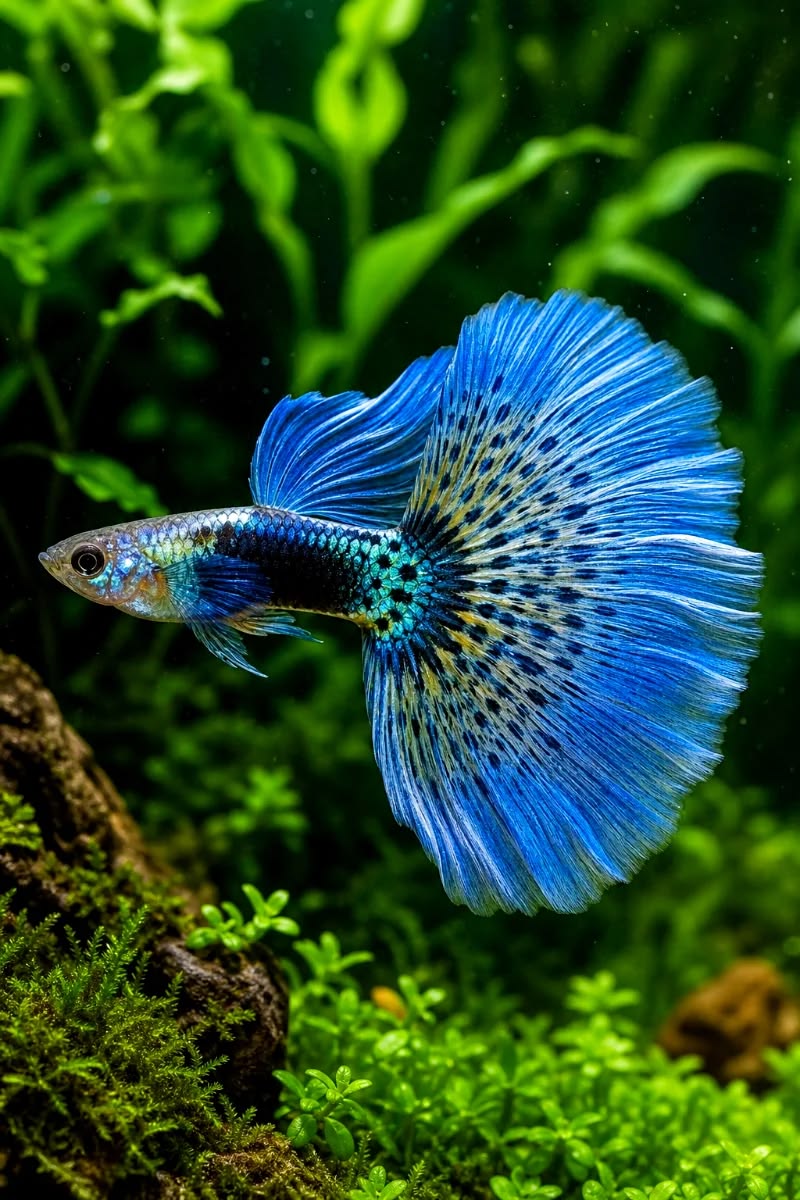
Popular freshwater fish that need spacious aquariums and proper filtration.
Beginner Friendly
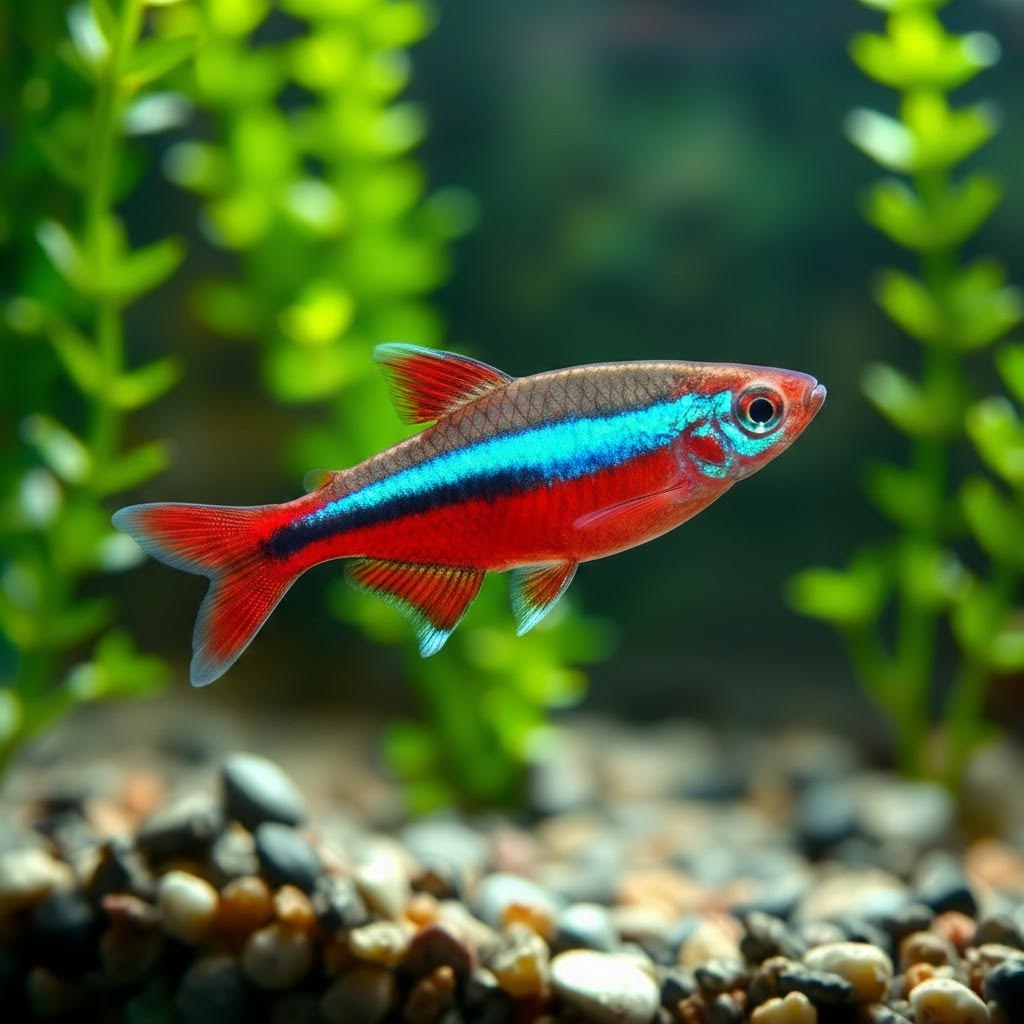
Active and colourful fish suitable for compatible community aquariums.
Community Fish
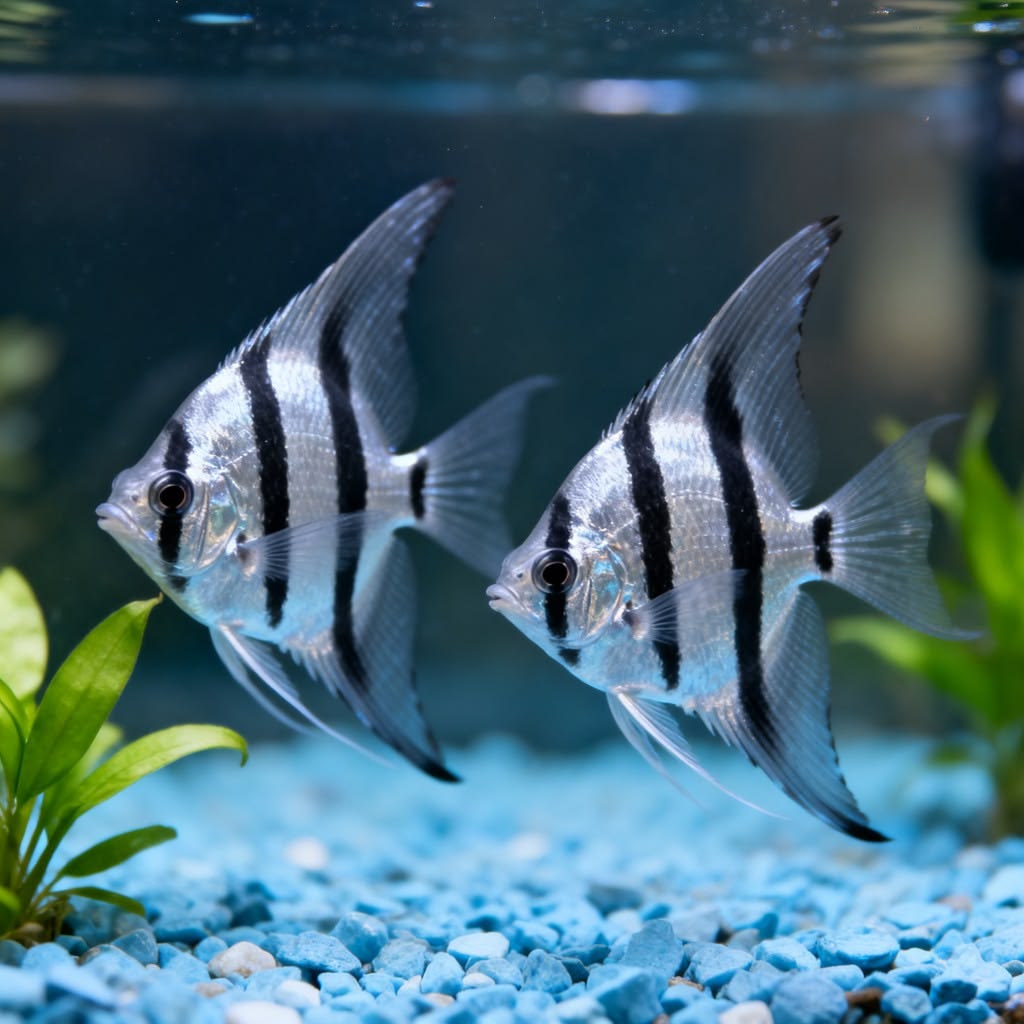
Peaceful schooling fish with bright colours and attractive markings.
Select an aquarium suitable for your fish's adult size and swimming requirements.
Add suitable substrate, aquarium plants and safe decorative elements.
Set up filtration, lighting and heating equipment where required.
Establish beneficial bacteria and confirm safe water conditions before stocking.
Acclimate your fish gradually and avoid overcrowding the aquarium.
Keep an eye on your fish and aquarium conditions.
Maintain clean water and a balanced aquarium.
Review the condition of your complete aquarium setup.
Proper nutrition supports healthy growth, activity and overall fish wellbeing.
Select food based on species, feeding habits and nutritional requirements.
Offer suitable portions and avoid giving more food than your fish can consume.
Follow a consistent feeding routine suitable for the species and its age.
Remove uneaten food to help prevent waste accumulation and water-quality problems.
Observe changes such as erratic swimming, difficulty maintaining balance or unusual inactivity.
Look for unusual spots, damaged fins, colour changes or visible changes to the body.
A sudden change in feeding behaviour may be linked to stress, unsuitable water or illness.
Repeated gasping near the surface may indicate oxygen or water-quality concerns.
Unusual hiding or isolation can be associated with stress, aggression or illness.
Persistent unusual symptoms should be assessed by a aquatic health professional.
Important: These are general warning signs, not a diagnosis. Check water parameters and seek advice from an aquatic veterinarian or qualified fish-health professional when symptoms persist.
Aquarium maintenance depends on tank size, fish population and filtration. Regular partial water changes, debris removal and water testing help maintain a healthy environment.
Feeding frequency depends on the fish species, age and dietary needs. Follow suitable feeding guidance and avoid overfeeding.
Test water regularly, use suitable filtration, perform appropriate partial water changes and avoid overcrowding the aquarium.
Some fish species can share an aquarium when their temperament, adult size, water requirements and space needs are compatible.
Unusual swimming, hiding, loss of appetite and changes in appearance may indicate stress or another health concern.
No. Allow the aquarium to complete its nitrogen cycle and verify that ammonia and nitrite are consistently at zero before adding fish.